Baltimore is a city of remarkable buildings. Many of them have long outlived the purpose they were built for: warehouses, carriage houses, mills, railroad buildings and clock towers. The question for each one is the same. What should it become next?
At SM+P Architects, we believe historic buildings, properly cared for, can have futures as vital as their pasts. That belief has shaped our work for four decades, and it rests on a few simple ideas.
Start by understanding the building
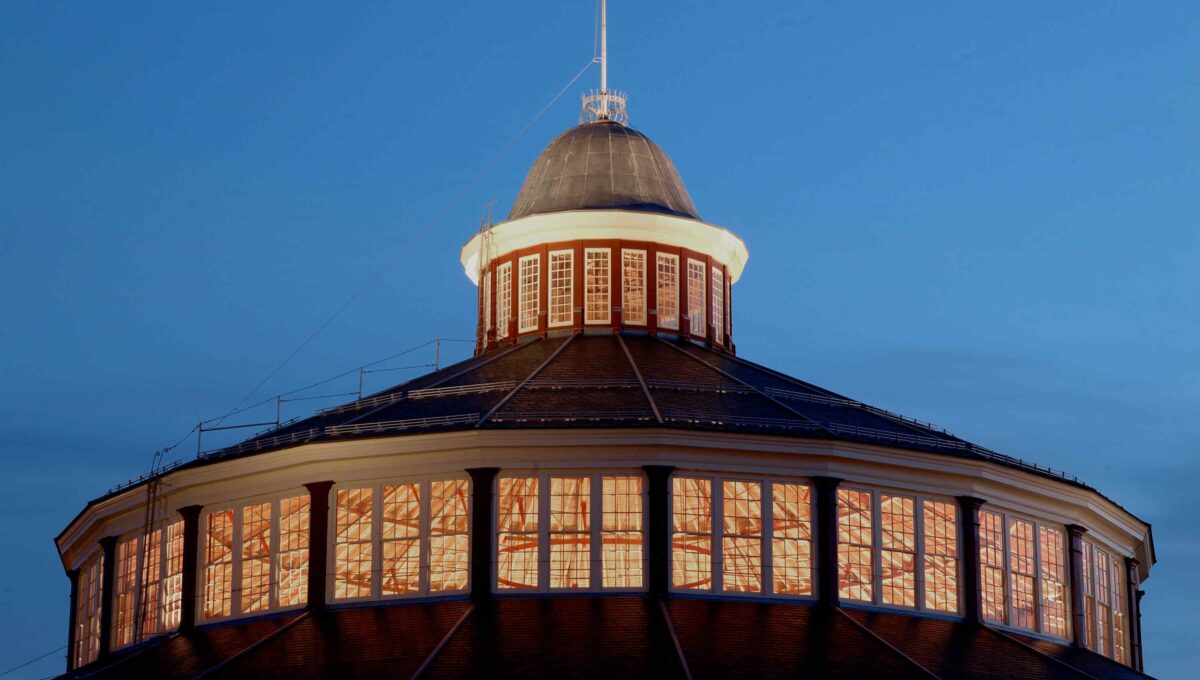
Every historic project begins with research rather than drawings. What is original? What was added later? What has been damaged, and what can be saved? When the roof of the B&O Railroad Museum collapsed under heavy snow, the restoration began with structural analysis and historic paint analysis, so that what was rebuilt matched the 1884 building rather than a guess at it.
Find a use that suits the building
The best new uses work with a building’s character rather than against it. After years of neglect, the Bromo-Seltzer Tower became studio space for artists, a use that fits its scale and gives one of Baltimore’s most recognizable landmarks a working role in the city’s creative life.
Respect the street
Historic buildings belong to their neighborhoods as much as to their owners. At Morton Street Lofts in Mount Vernon, SM+P designed new residential space above four historic brick carriage houses. The design keeps the scale and character of the existing street, joins the four buildings into a single mixed-use project, and carefully adds new structure above to create 54 new homes.
Leave the building better equipped
Preservation is not about freezing a building in time. New heating, cooling, electrical and safety systems, and new facilities where they are needed, are what allow an old building to keep working. The B&O Railroad Museum reopened in 2004 with a new facility for restoring locomotives, better prepared for its future than before the collapse.
Why it matters
A well-restored building keeps a piece of a city’s story alive while giving it something new to say. It also keeps the craftsmanship and materials of earlier generations in daily use, rather than in a landfill. That is why historic work has always been at the heart of what we do.
If you own or manage a historic building and are wondering what it could become, we would be glad to talk it through. Contact SM+P Architects.